Haunted Scene Font: Crafting Scroll-Stopping Visuals for Modern Marketers
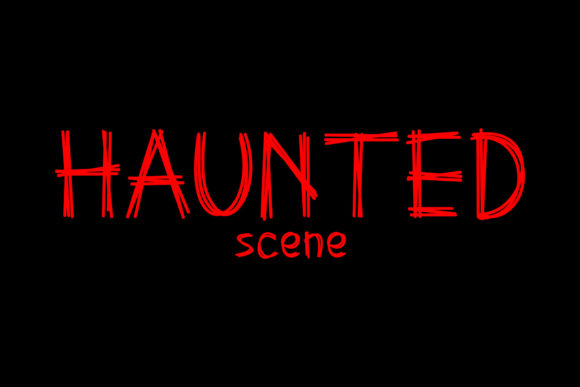
Haunted Scene is a display font that blends eerie charm with bold readability, making it an ideal choice for marketers and designers aiming to create memorable digital content. Its distinctive, slightly unsettling aesthetic adds personality and intrigue to visuals, helping brands stand out in fast-scrolling feeds and competitive ad spaces. Whether you're designing a Halloween-themed campaign or crafting a bold brand statement, Haunted Scene brings a unique edge to your typography toolkit.
As a display font, Haunted Scene excels in short-form, high-impact applications. Its exaggerated serifs and slightly distorted letterforms evoke a vintage horror vibe without compromising legibility. This makes it perfect for social media headers, YouTube thumbnails, and Instagram story covers where visual impact and quick recognition are key. When used strategically, this font can help reinforce brand tone, especially for brands that lean into mystery, edginess, or seasonal storytelling.
Boosting Engagement with Strong Visual Hierarchy
Creating visual hierarchy is essential in digital marketing, where attention spans are short and competition for views is fierce. Haunted Scene helps establish that hierarchy by drawing the eye immediately. Use it for headlines in promotional graphics, product teasers, or event announcements to ensure your message cuts through the noise. Pair it with a clean sans serif font for captions and subtext to maintain readability while keeping the overall design dynamic.
For example, a YouTube thumbnail using Haunted Scene for the main title paired with a minimalist sans serif for supporting text can create a compelling contrast that increases click-through rates. Similarly, in email headers or landing page banners, this font adds a layer of visual intrigue that supports brand storytelling and campaign goals.
Perfect for Seasonal Campaigns and Thematic Branding
Haunted Scene shines in seasonal promotions, particularly around Halloween, but its appeal isn't limited to just one time of year. The font's dramatic flair makes it a strong choice for limited-time offers, product launches with a bold personality, or even personal branding that leans into a gothic or alternative aesthetic. Content creators and influencers who build niche audiences around mystery, horror, or dark humor can use this font to reinforce their brand voice across digital touchpoints.
Consider using Haunted Scene in Pinterest pins for a DIY Halloween craft series or in Instagram carousels announcing a spooky-themed product drop. It also works well in branded templates for digital downloads, webinars, or seasonal sales, where the goal is to create a consistent and recognizable visual tone across multiple assets.
Enhancing Readability in Digital Contexts
Despite its decorative appearance, Haunted Scene maintains strong readability in digital environments when used appropriately. The font works best at larger sizes, making it ideal for headlines, logo marks, and callout text. On mobile screens and small previews—like reels covers or email headers—it still communicates clearly without overwhelming the viewer.
To maximize legibility, avoid using it in long paragraphs or small body text. Instead, treat it as a design accent that highlights key messaging. When designing for fast-scrolling feeds, this font can help your content stop the scroll, especially when combined with high-contrast colors and clean layouts that let the typography shine.
Font Pairing Strategies for Visual Consistency
One of the strengths of Haunted Scene is how well it pairs with other fonts to create a cohesive design system. For digital ads or social media posts, combine it with a modern sans serif like Montserrat or Poppins to balance the dramatic style with clean, readable text. For editorial-style layouts or blog headers, try pairing it with a serif font like Playfair Display to create a layered, typographically rich visual.
When designing brand templates or campaign assets, use Haunted Scene consistently in titles and headers to build brand recognition. This repetition helps audiences associate the font with your brand voice, reinforcing visual consistency across platforms and increasing recall value.
Practical Applications Across Marketing Channels
- Social media graphics: Use Haunted Scene in Instagram posts, story highlights, and reels covers to create a bold, thematic look that aligns with your content strategy.
- Email marketing: Implement the font in subject line banners or header images to make your campaigns stand out in crowded inboxes.
- YouTube thumbnails: Combine with contrasting colors and minimal supporting text for thumbnails that draw attention and improve CTR.
- Digital ads: Apply the font in headline banners or promotional callouts to create visual contrast and reinforce campaign messaging.
- Website banners: Integrate into landing pages or seasonal pop-ups to maintain brand tone and improve visual engagement.
For small business marketing teams and freelance designers, having a premium font like Haunted Scene in your design toolkit can elevate your visual assets without requiring complex design skills. It's a versatile typeface that supports both organic content and paid campaigns, helping you maintain a consistent brand identity across digital channels.
Final Considerations for Commercial Use
Before using Haunted Scene in client work, ads, or digital products, always verify the font’s commercial licensing terms. Many premium fonts come with specific usage rights that must be respected to avoid legal issues. Once cleared for use, this display font becomes a valuable asset in your creative toolkit, supporting everything from logo design to packaging visuals and editorial layouts.
Haunted Scene is more than just a decorative font—it's a strategic design element that can elevate your marketing visuals, improve audience engagement, and reinforce brand identity. Whether you're building a seasonal campaign or crafting a bold brand statement, this font brings a unique personality that resonates with modern audiences and digital-first design practices.