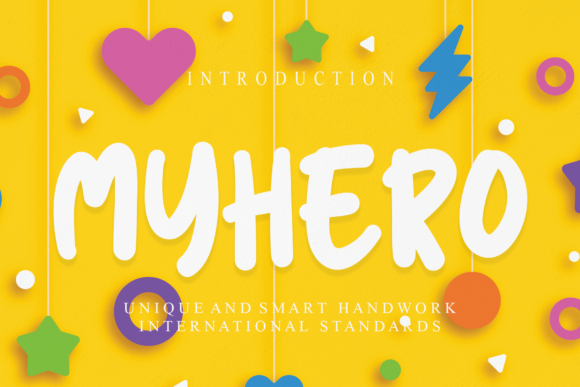
Myhero: A Playful Display Font That Elevates Your Brand
As a small business owner, I’ve learned that every detail matters when it comes to branding. From packaging to social media, your visual identity is what makes your business stand out—and one of the most powerful tools in your toolkit is the right font. That’s where Myhero comes in. It’s a bubbly, friendly display font that brings a sense of playfulness and authenticity to any brand material.
Why Myhero Fits Your Brand Personality
Myhero isn’t just another decorative typeface—it’s a premium font designed to make an impression. Its rounded edges and lively curves give it a youthful, approachable vibe. Whether you’re running a boutique, a café, or an online shop, this display font adds a touch of warmth that resonates with customers. It’s especially effective for brands that want to feel fun, creative, and genuine.
Real-World Uses for Myhero in Your Business
I’ve used Myhero across a variety of customer-facing materials, and it never disappoints. Here are some of the most effective ways to incorporate it into your brand:
- Logo design – A boutique or children’s brand can use Myhero to create a logo that feels inviting and memorable.
- Packaging design – From handmade candle labels to beauty product packaging, Myhero adds a personal touch that makes your product feel unique.
- Social media graphics – Instagram posts, Pinterest pins, and digital ads look more cohesive and professional when using a consistent, expressive typeface like Myhero.
- Printed marketing materials – Flyers, thank-you cards, and stickers all benefit from the playful energy of this modern typography choice.
How Myhero Builds Brand Recognition
Consistency is key when building a recognizable brand. Using the same display font across multiple touchpoints—like your website banners, product labels, and packaging—creates a visual thread that customers begin to associate with your business. Myhero’s distinct style makes it easy for audiences to remember and recognize your brand, even at a glance.
When to Use Myhero as a Display Font
Myhero shines as a headline font or accent typeface. Because it’s a display font, it works best in larger sizes where its personality can truly stand out. Think of using it for:
- Website headers
- Logo text
- Event banners
- Product packaging titles
For body text or long-form content, I recommend pairing it with a clean sans serif font or a readable serif font to ensure legibility while maintaining visual appeal.
Readability Across Different Formats
One of the first things I check before adopting a new font is how well it performs in real-world settings. Myhero holds up surprisingly well in a variety of formats:
- It’s clear and bold on printed packaging, even in smaller sizes.
- On mobile screens, it maintains its charm without sacrificing legibility.
- Social media thumbnails using Myhero are eye-catching and easy to read at a glance.
Still, I always recommend testing it in your specific use case before committing to it across your entire brand identity.
Font Pairing Tips for a Balanced Look
One of the best things about Myhero is how well it pairs with other fonts. For a clean, modern look, try combining it with a minimalist sans serif font for body text. If you want a more classic feel, a readable serif font can balance its playful nature while keeping your design professional. The key is to let Myhero be the star of the show while supporting it with fonts that enhance readability and structure.
Check Licensing Before You Launch
Before you start using Myhero on product labels, packaging, or digital downloads, make sure you have the proper commercial font license. Licensing can vary depending on how you plan to use the font—whether it's for client work, merchandise, or templates. Taking a few minutes to verify your rights ensures your brand stays both stylish and legally compliant.
Test Myhero Before Full Implementation
I always suggest creating a small sample of your branding materials before going all-in with a new font. Try using Myhero in a few mockups—like a sample product label or a test social media post—and see how it aligns with your overall brand identity. This helps you catch any potential issues with readability or tone before you invest time and money into full-scale implementation.